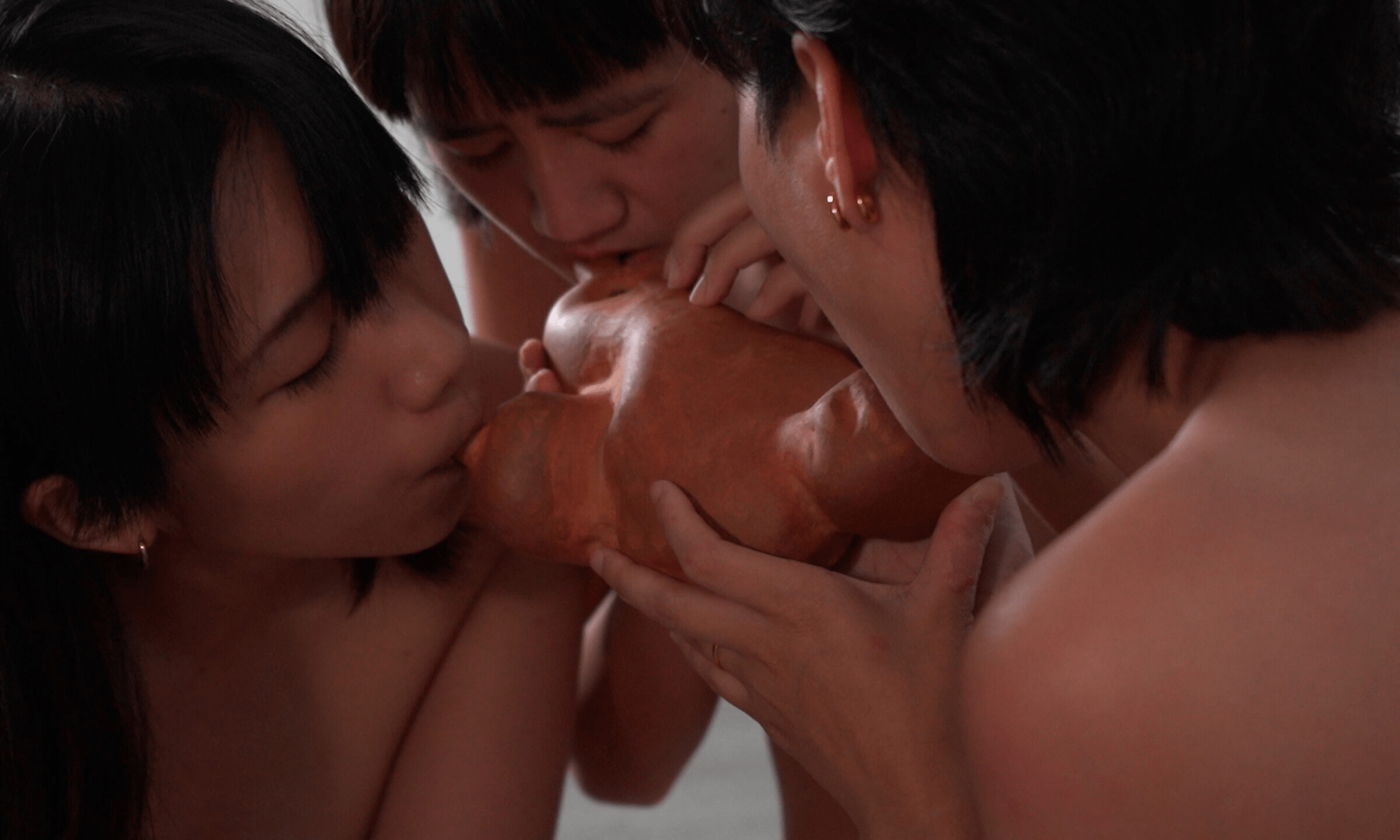
ISO Temahahoi & </love> | Bleed 2024

Three people lean close to a ceramic wind instrument; each is blowing on a mouthpiece.

I recently met two artists who are currently showing at Arts House as part of Bleed 2024 and I was so chuffed to be commissioned for written responses because both their works are so relevant to my interests and predilections. I was particularly struck by how both works foreground desire and intentionality so I chose to write my responses in the style of Lex posts or personal ads, because I’m a bit obsessed with that form at the moment.

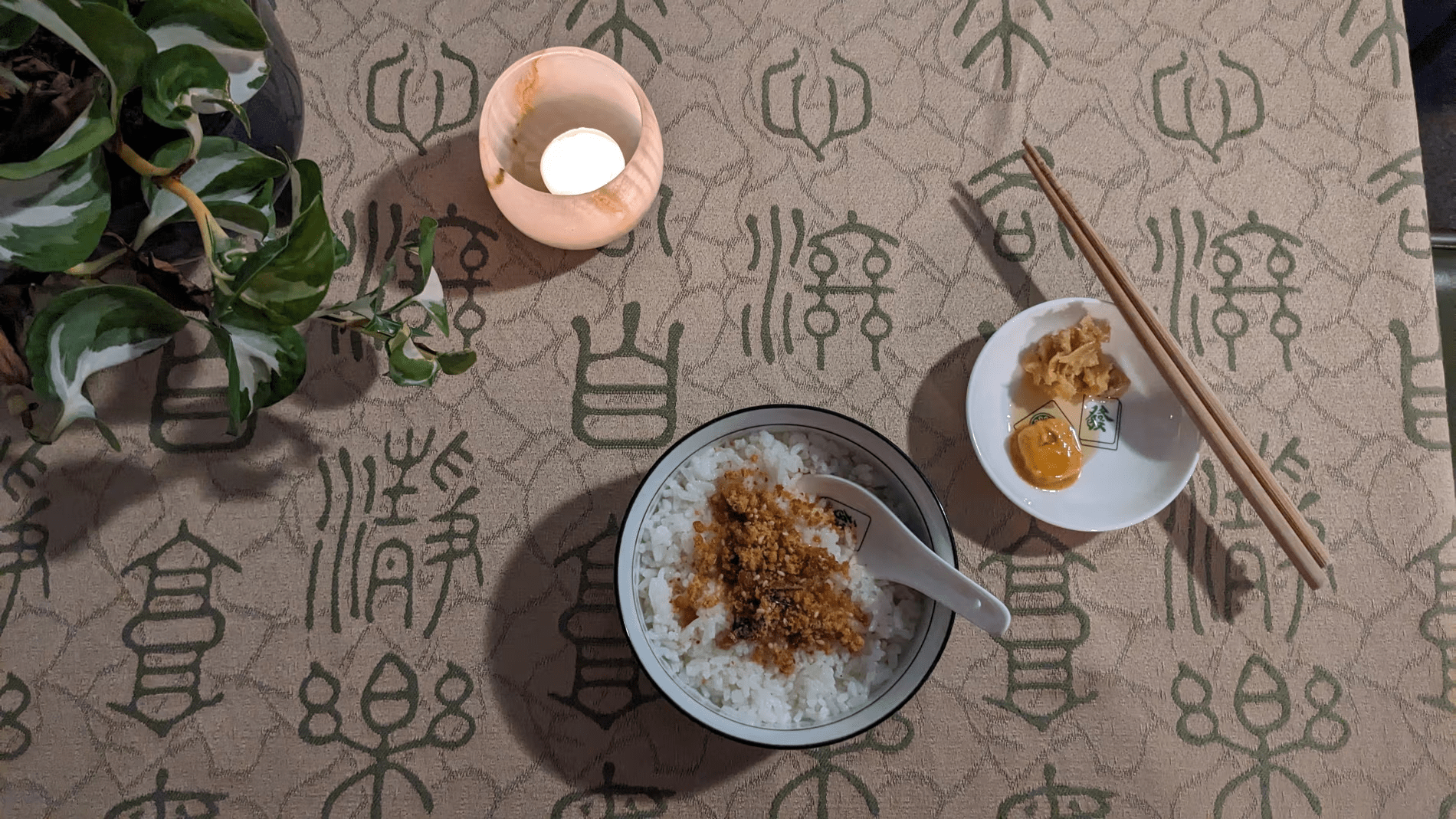
Ciwas Tahos/Anchi Lin 林安琪 is an Indigenous Taiwanese artist whose installation and durational performance work Finding Pathways to Temahahoi connects Atayal oral history with contemporary queer community. It’s very sensual and expansive. You can read my response, ISO Temahahoi, and watch our filmed artist talk here.

Jarra Karalinar Steel is a local Koori artist whose work anyone in Naarm would have seen on the Melbourne Art Tram. Her installation for Bleed 2024, love.exe, draws from video games and fandom to explore romantic love and social surrogacy in digital realms. Our artist talk is here along with my written response, </love>.

I am a bit bummed I only just met Jarra and Anchi now and not, say, on Livejournal in 2002, because I feel like we could’ve been great friends as teenagers.

Anyway if you’re in Melbourne, the installations are open until September 28 and there is also more digital work at the links above.
In Australia, Pro-Palestine writers are defying censorship | Jacobin

Omar Sakr and I spoke to Jacobin’s Chris Dite about State Library Victoria, the escalating persecution of pro-Palestine workers in arts and media, and how workers across industries are joining together to fight back.

Genocide is impolite to talk about but not to enact. Safety means Zionists’ feelings and not Palestinians’ lives.

Like many of us, I’ve felt wary of drawing focus from the daily atrocities in Palestine to comparatively petty art world disputes here. I worry the story becomes one of cultural contestation instead of genocide.

But Israel’s genocide relies upon misinformation, censorship & propaganda. Misinformation and media bias have been critical in engineering impunity. I think the Library’s framing of ‘child and cultural safety’ is important, and dangerous, and deliberate.

For six months we have seen Israeli propaganda deny that Palestinian children are children. Think of Deborah Conway on ABC Radio National when asked about all the children killed: ‘Well it depends what you call kids.’ So I think this perversion of ‘child and cultural safety’ needs to be directly challenged.

Review: Loaded, Malthouse Theatre

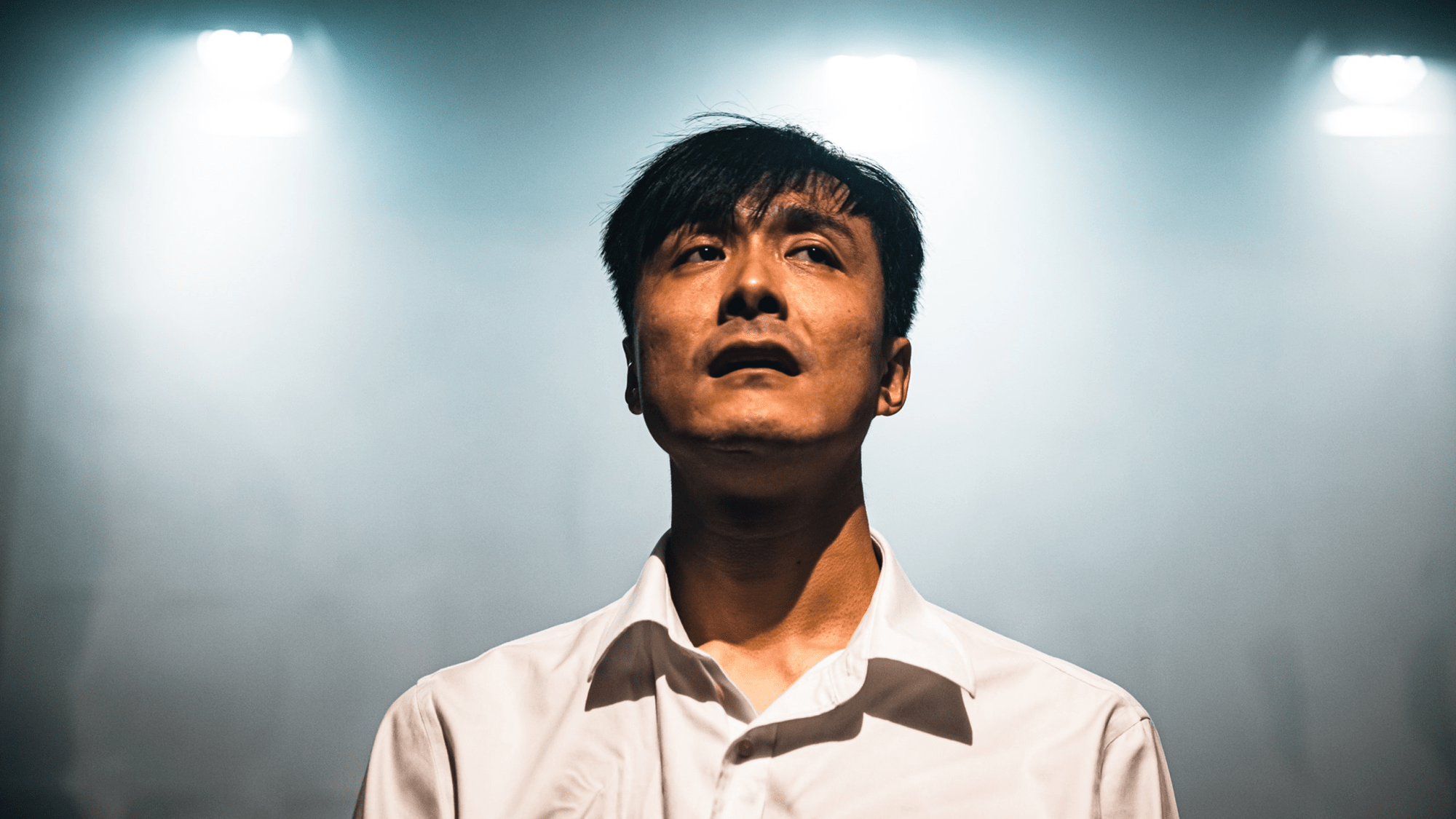
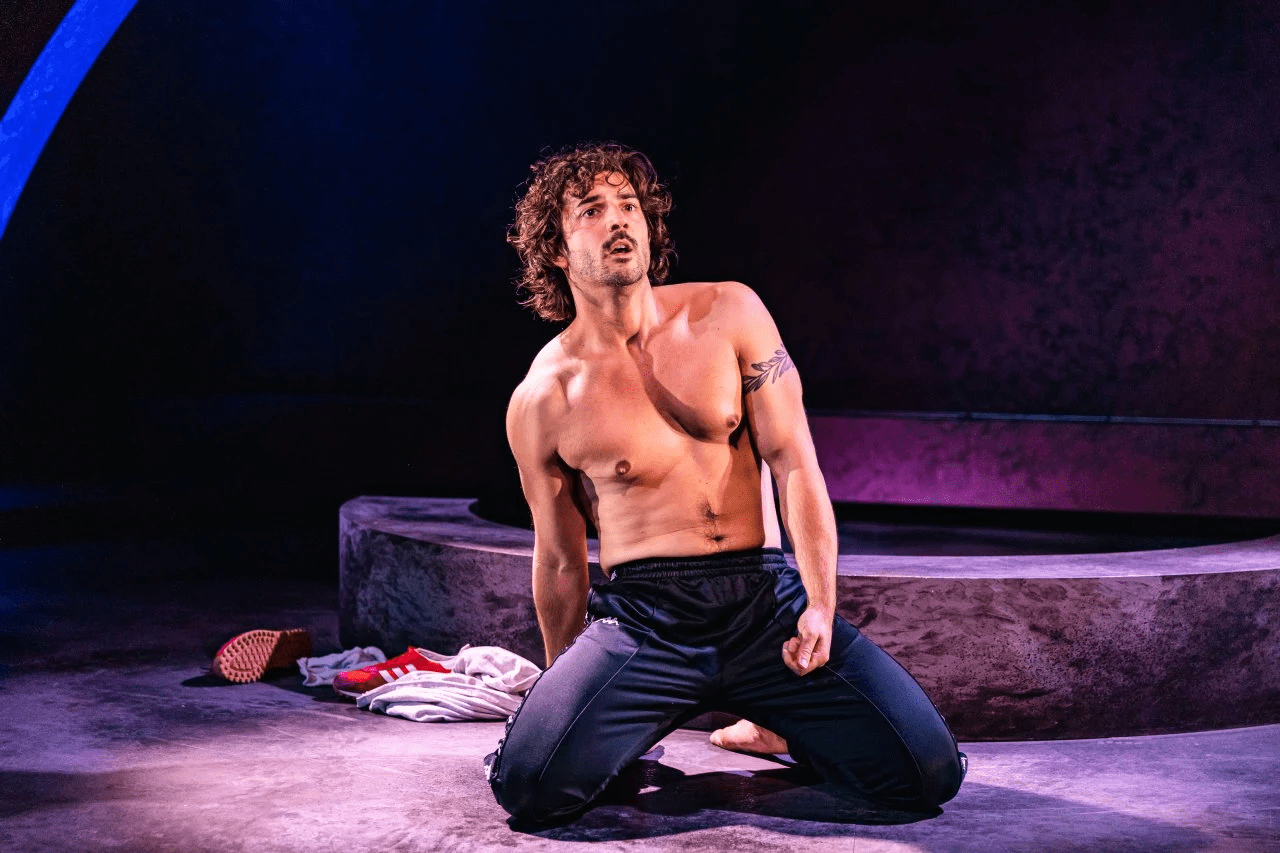
For The Saturday Paper, I reviewed the long-awaited stage adaptation of Christos Tsiolkas’ Loaded which is playing at the Malthouse Theatre in Melbourne.

Danny Ball plays Ari in Malthouse Theatre’s 2023 production of Loaded. Photo: TS Pubicity / Tamarah Scott.

Ari’s casual assertion that he’s a wog, not white, scorns millennia of Western empires claiming Greek epistemology as an intellectual forebear while systemically deorientalising it. This feels particularly salient for how homoeroticism in Greek antiquity is absorbed into the lineage of anglophone gay culture today. That troubled relationship to history and lineage is also a recurring trope in migrant narratives, as the point of origin recedes into a romantic homeland fading into the horizon, or becomes a risk and a burden, a chorus of voices clamouring for tribute. Or a third thing: a ship with new parts but the same name.

It’s really interesting to see all the different iterations of this story (I also reviewed the audio play in 2020) and be pushed to tease apart my responses and figure out what’s in the work vs what’s changed in the world or the presentation context or my point of view. A good exercise as a critic!

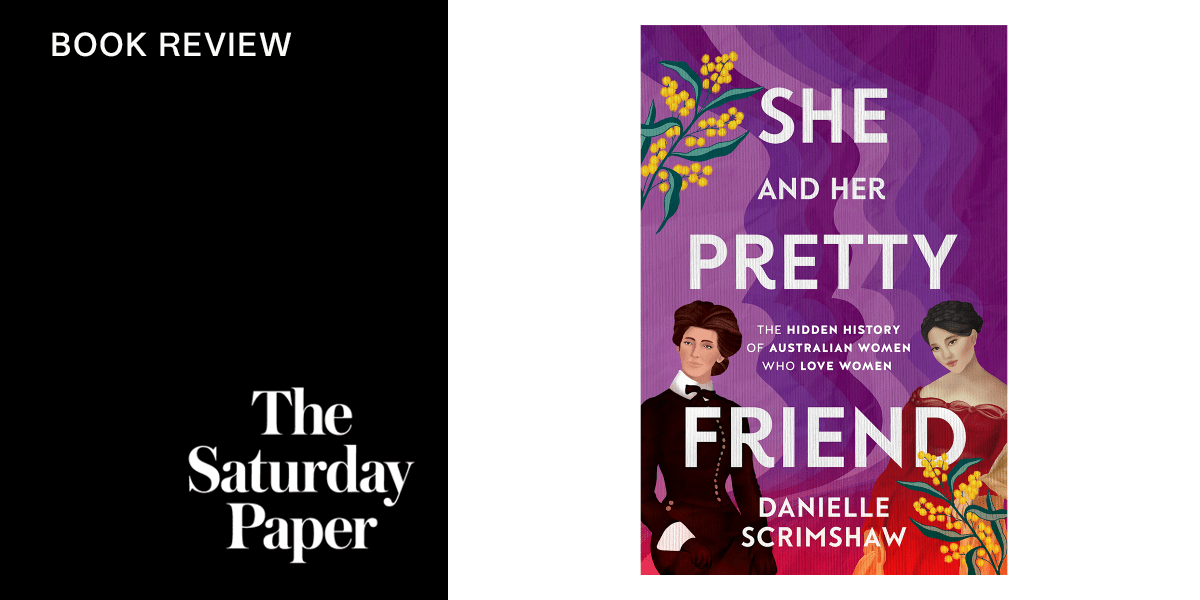
Review: She and Her Pretty Friend by Danielle Scrimshaw

For The Saturday Paper, I reviewed She and Her Pretty Friend, an appealing and accessible history of queer women’s lives in Australia from roughly 1830 to 1980. There’s a lot I liked about it and a few things that bugged me too. As always, I can send a read link if you can’t access it through the paywall, just leave a comment.

Scrimshaw code-switches easily between the cautious register of the historian and the more colourful lexicon of chronically online queers, reading real events in relation to memes and fandom tropes such as “oh my god, they were roommates” and “be gay, do crime”. The effect is chatty and conspiratorial, like catching up with a friend who can’t wait to tell you about what she just read, and it’s endearing to witness her transparent disappointment when women treat each other badly or don’t get the life we feel they deserve.

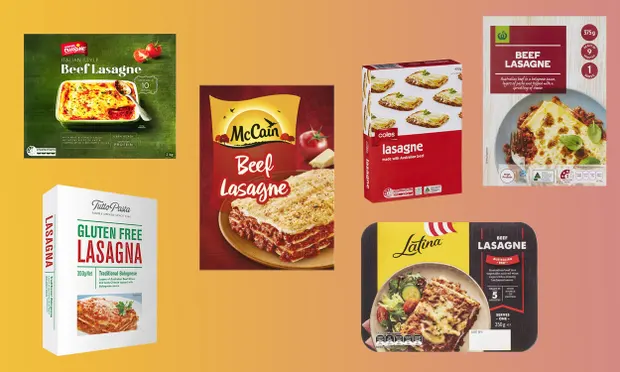
Taste test: Australian supermarket lasagne

As a public service, I gobbled up more than 3 kilograms of lasagne from Coles, Woolies* and Aldi, to review it for you, dear reader. Cheers to the Guardian for indulging my pivot from arts criticism to ready meal reviews.

There’s nothing like an oozy hunk of meat, cheese and carbs to make you feel as if you’ve just tucked yourself into a pasta doona. Eating lasagne under a blanket manifests a beautiful sense of symmetry: I’m at one with the universe in all its multi-layered glory.

FYI, I learned in the process of researching this story that lasagne is the plural, which is typically what’s used for pasta dishes (spaghetti, penne are also plural, and of course noodles), while lasagna is singular. Australian and UK English favours lasagne, US lasagna.

* It’s forever Safeway to me.