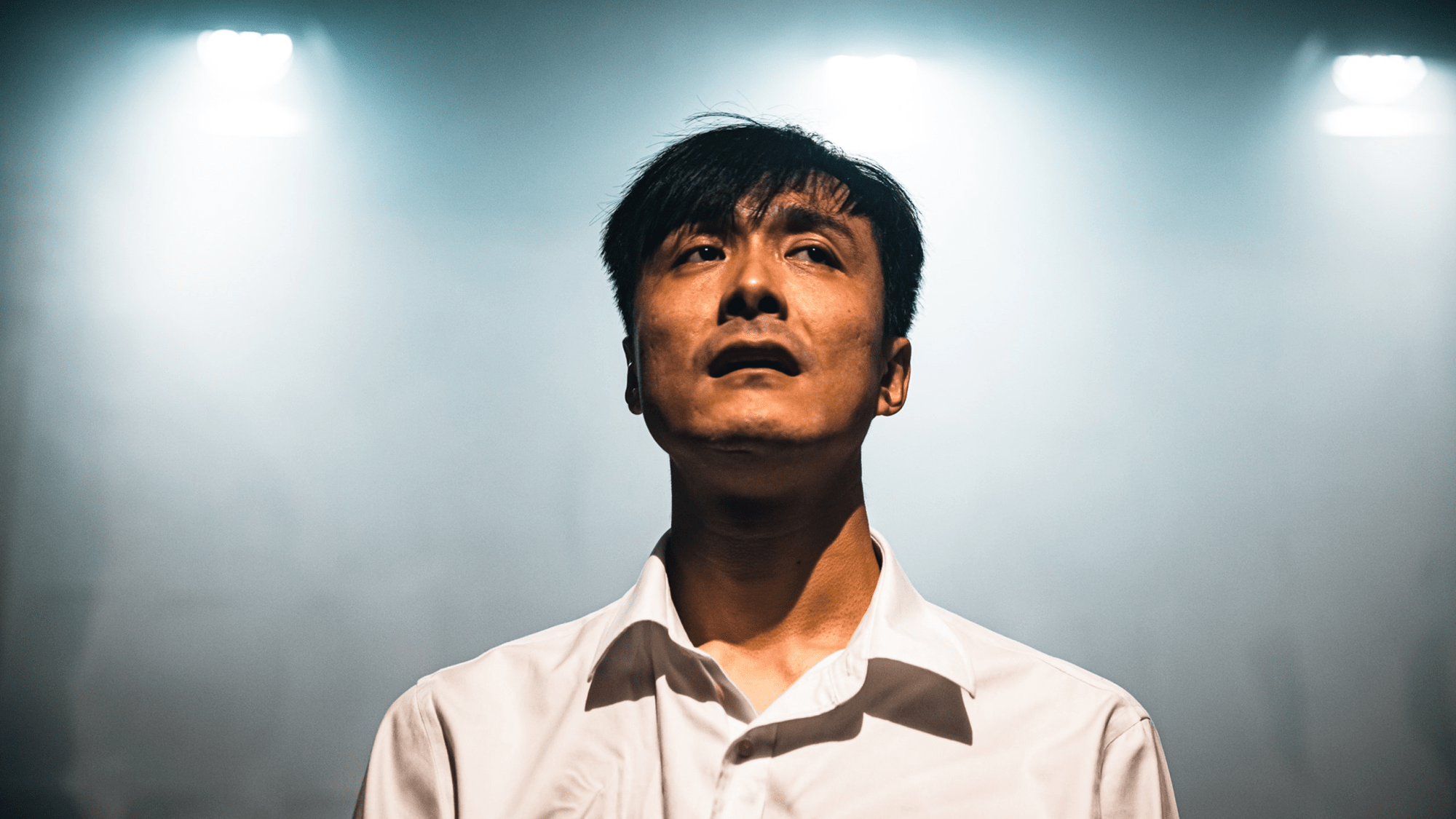
The piece that’s nominated is my review of Chinese theatremaker Wang Chong’s solo show at the Malthouse, Made in China 2.0. So many great critics have won this prize in past years, including Anwen Crawford, Jeff Sparrow, Sarah Krasnostein, and my editor for this piece and so many others, Alison Croggon. It feels like an unthinkable privilege just to write criticism at all, let alone get recognised for it, so I’m really startled, chuffed, blushing, beaming.
Disheartening news this week on the eve of IDAHOBIT that Beijing LGBT Center has been forced to shut. Beitong, as it was known in the community, was the leading NGO for queer advocacy and research in China, as well as providing important welfare and peer support services. Our paths crossed frequently over the years that I was reporting on LGBTIQ+ issues in China, so this loss feels quite devastating both personally and politically – the China I knew and loved is being eroded piece by piece.
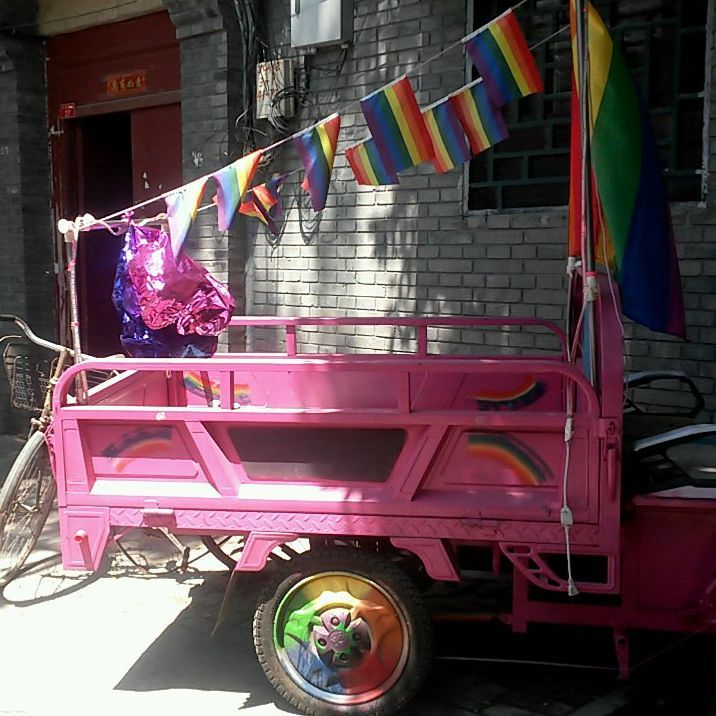
Beijing’s NGO community made such a big impression on me but a lot of what I remember is already gone. Q-Space, where this was taken, closed their physical space in 2020.
Foreign Policy has a good analysis of Beitong’s closure in the context of a natalist push for gender normativity, heterosexual marriage, and more babymaking to rebalance the country’s demographic woes. I’m quoted there, as well as in articles by the AFP and Bloomberg wires that have been syndicated pretty widely. I also gave NBC an interview for their story that should be out soon – I’ll add it to my press page when it’s published.
Beijing LGBT+ Center is absolutely pivotal to queer advocacy and social welfare in China and it was basically the last major, long-running organisation standing after waves of crackdowns smashed everything else.
It just feels so utterly hopeless. I know that queers & feminists in China know how to work a loophole, a cat door, a hairline fracture, a whisper, a metaphor, but soon that's too subtle and quiet to reach the people who need it. A secret handshake can't replace a lighthouse.
Anyway, it’s pretty cool to go on a late-night tweet spree and then see it translated into half a dozen different languages, but disappointing that so many media outlets remain inattentive to gendered language, even when reporting an LGBTIQ+ story. My pronouns have been in my Twitter bio since I started the account, and in my website bio and email signature (ey/eir/em, they/their/them, 伊 or TA).
It’s ironic too, because what I’m most proud of from my time in China journalism was building up LGBTIQ+ and gender reporting into beats that were taken seriously and resourced appropriately, and integrating that area expertise into editorial processes, ethics and house style. Using the correct pronouns for someone is just one very small part of that but often revealing of broader priorities. It’s something that Beitong and their peers like Tongyu and BGHEI invested in, too, with media guidelines, training, analysis and awards. So I hope media outlets take stock and use events like IDAHOBIT and Pride as an opportunity to consider how they could improve their LGBTIQ+ reporting.
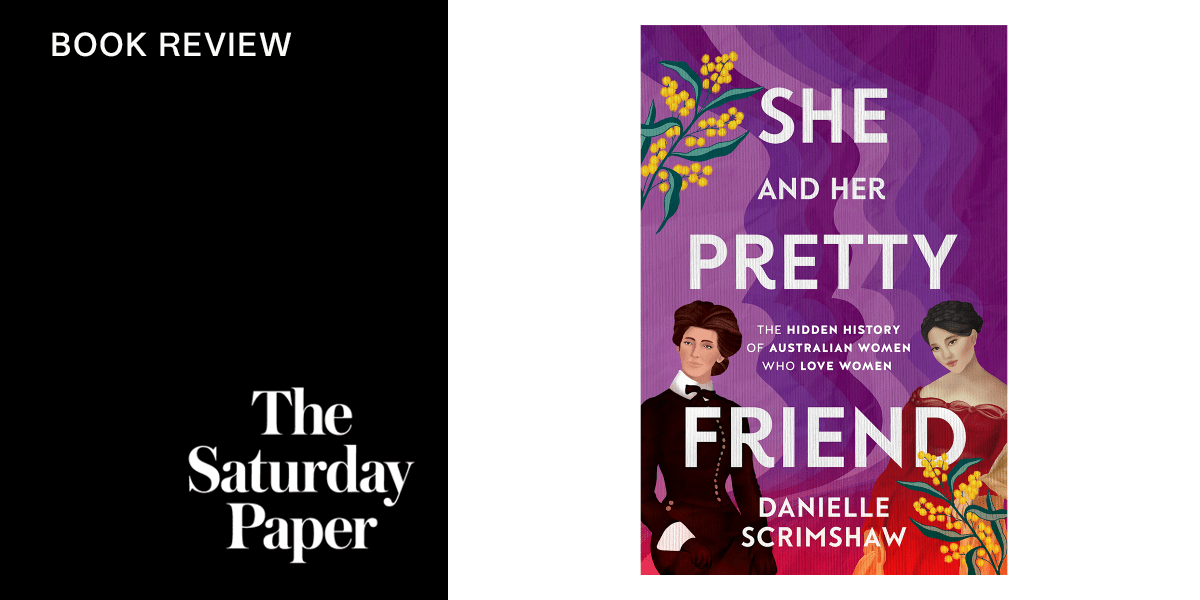
For The Saturday Paper, I reviewed She and Her Pretty Friend, an appealing and accessible history of queer women’s lives in Australia from roughly 1830 to 1980. There’s a lot I liked about it and a few things that bugged me too. As always, I can send a read link if you can’t access it through the paywall, just leave a comment.
Scrimshaw code-switches easily between the cautious register of the historian and the more colourful lexicon of chronically online queers, reading real events in relation to memes and fandom tropes such as “oh my god, they were roommates” and “be gay, do crime”. The effect is chatty and conspiratorial, like catching up with a friend who can’t wait to tell you about what she just read, and it’s endearing to witness her transparent disappointment when women treat each other badly or don’t get the life we feel they deserve.
As a public service, I gobbled up more than 3 kilograms of lasagne from Coles, Woolies* and Aldi, to review it for you, dear reader. Cheers to the Guardian for indulging my pivot from arts criticism to ready meal reviews.
There’s nothing like an oozy hunk of meat, cheese and carbs to make you feel as if you’ve just tucked yourself into a pasta doona. Eating lasagne under a blanket manifests a beautiful sense of symmetry: I’m at one with the universe in all its multi-layered glory.
FYI, I learned in the process of researching this story that lasagne is the plural, which is typically what’s used for pasta dishes (spaghetti, penne are also plural, and of course noodles), while lasagna is singular. Australian and UK English favours lasagne, US lasagna.
“I’m choosing my words carefully. You know why. You understand what a blank sheet of A4 paper says. If you know, you know. And if you don’t, there’s a cost to explaining it to you.”
Little of my work would exist without Trove, the online archive that provides free access to a huge range of resources, but funding is set to expire in July 2023.
I’m running another drop-in advice sesh for emerging writers in February!
Thanks to sponsor The Suburban Review, I have 10 free spots, with priority going to First Nations, POC, trans and disabled writers.
The Drop-In with Jinghua Qian Sunday 12 February 2023 1 pm to 2 pm AEDT online via Zoom free of charge – limited places, register here more info on The Drop-In
The Drop-In is an ongoing series of events offering solicited advice on the business, craft and agony of writing. Design: Kathy Qian.
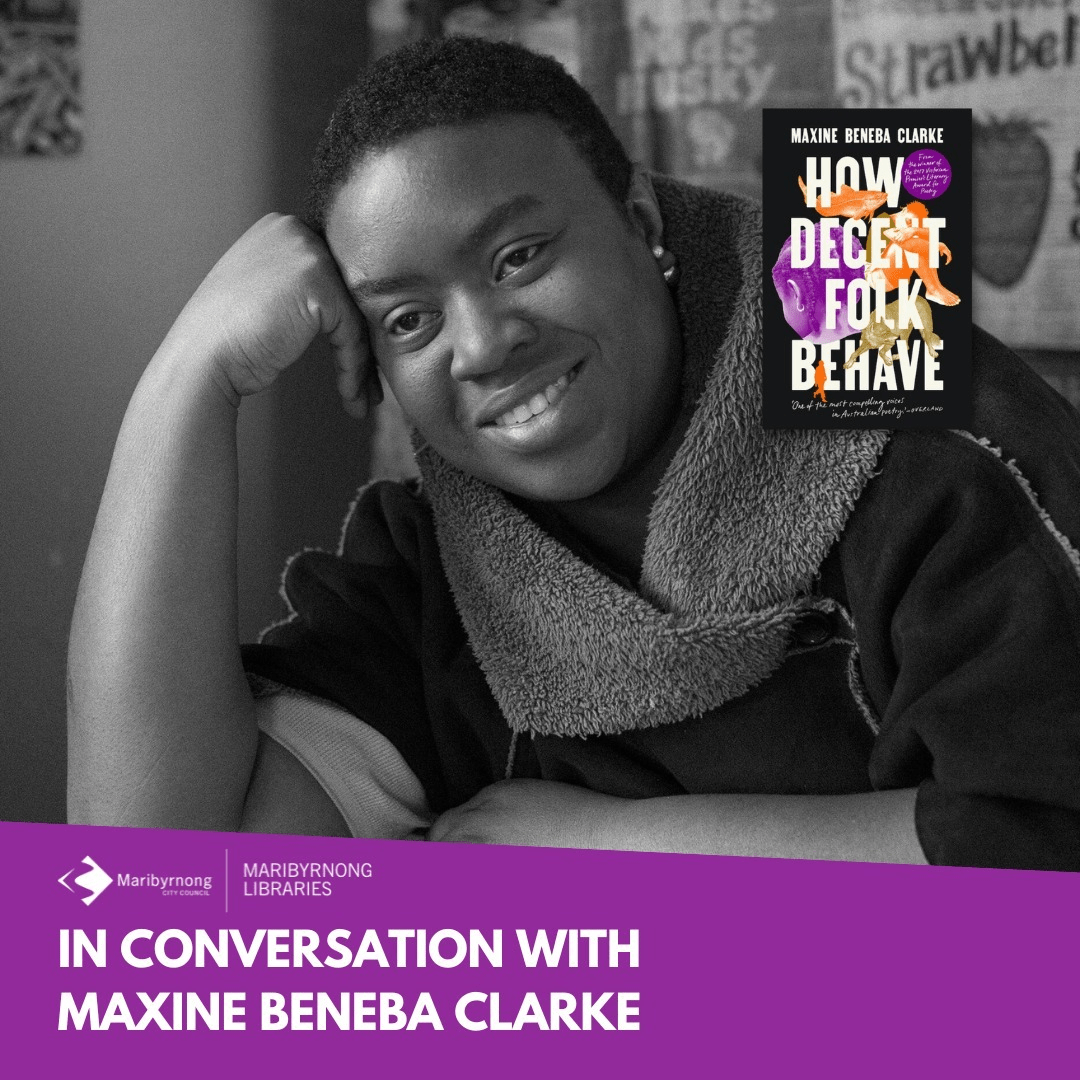
First event of the year and it’s at my local! I’m talking to Maxine about her book How Decent Folk Behave and there’ll also be snacks and craft activities for littlies.







 Jinghua Qian