I’m so excited for this one! A multigenerational line-up of storytellers surrounded by projected images of unapologetic dykes from the archives of Wicked Women (1988–96), an erotic zine published by Lisa Salmon and Jasper Laybutt. I’ll be reading my dirty Lex posts/poems, drinking up the queer gaze. Horny on main, we love it.
Wicked Words is a storytelling event that celebrates dyke and queer and trans sexuality. Gird your loins and prepare yourself to be swept off your feet. The lineup of storytellers includes Maude Davey, Jinghua Qian, Annaki Kisses, Tomoko Yamasaki, Gavril Aleksandrs, Bumpy Favell, and Lisa Salmon with videopoems by ReVerse Butcher.
Wicked Words Saturday 29 June 2024 7 pm to 10 pm Victorian Pride Centre 79-81 Fitzroy Street St Kilda VIC 3182 Tickets here
Disheartening news this week on the eve of IDAHOBIT that Beijing LGBT Center has been forced to shut. Beitong, as it was known in the community, was the leading NGO for queer advocacy and research in China, as well as providing important welfare and peer support services. Our paths crossed frequently over the years that I was reporting on LGBTIQ+ issues in China, so this loss feels quite devastating both personally and politically – the China I knew and loved is being eroded piece by piece.
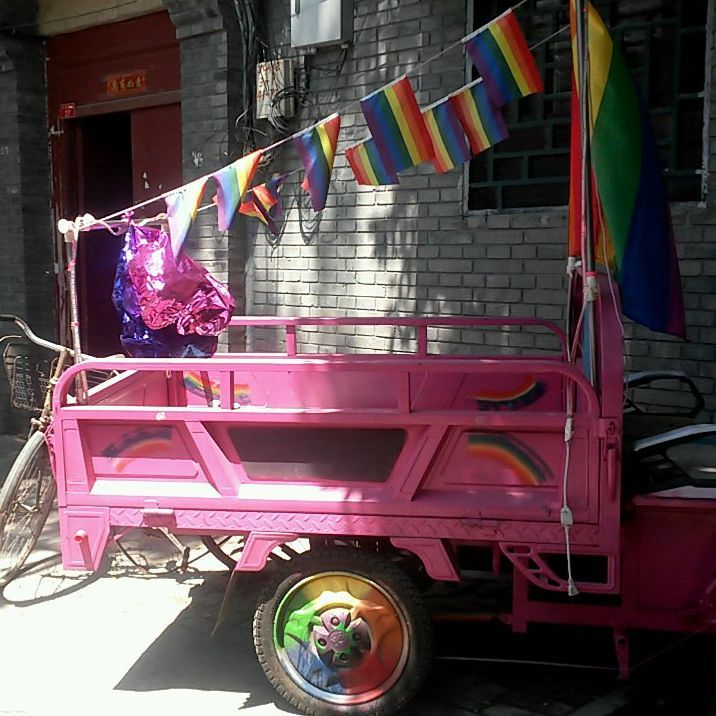
Beijing’s NGO community made such a big impression on me but a lot of what I remember is already gone. Q-Space, where this was taken, closed their physical space in 2020.
Foreign Policy has a good analysis of Beitong’s closure in the context of a natalist push for gender normativity, heterosexual marriage, and more babymaking to rebalance the country’s demographic woes. I’m quoted there, as well as in articles by the AFP and Bloomberg wires that have been syndicated pretty widely. I also gave NBC an interview for their story that should be out soon – I’ll add it to my press page when it’s published.
Beijing LGBT+ Center is absolutely pivotal to queer advocacy and social welfare in China and it was basically the last major, long-running organisation standing after waves of crackdowns smashed everything else.
It just feels so utterly hopeless. I know that queers & feminists in China know how to work a loophole, a cat door, a hairline fracture, a whisper, a metaphor, but soon that's too subtle and quiet to reach the people who need it. A secret handshake can't replace a lighthouse.
Anyway, it’s pretty cool to go on a late-night tweet spree and then see it translated into half a dozen different languages, but disappointing that so many media outlets remain inattentive to gendered language, even when reporting an LGBTIQ+ story. My pronouns have been in my Twitter bio since I started the account, and in my website bio and email signature (ey/eir/em, they/their/them, 伊 or TA).
It’s ironic too, because what I’m most proud of from my time in China journalism was building up LGBTIQ+ and gender reporting into beats that were taken seriously and resourced appropriately, and integrating that area expertise into editorial processes, ethics and house style. Using the correct pronouns for someone is just one very small part of that but often revealing of broader priorities. It’s something that Beitong and their peers like Tongyu and BGHEI invested in, too, with media guidelines, training, analysis and awards. So I hope media outlets take stock and use events like IDAHOBIT and Pride as an opportunity to consider how they could improve their LGBTIQ+ reporting.
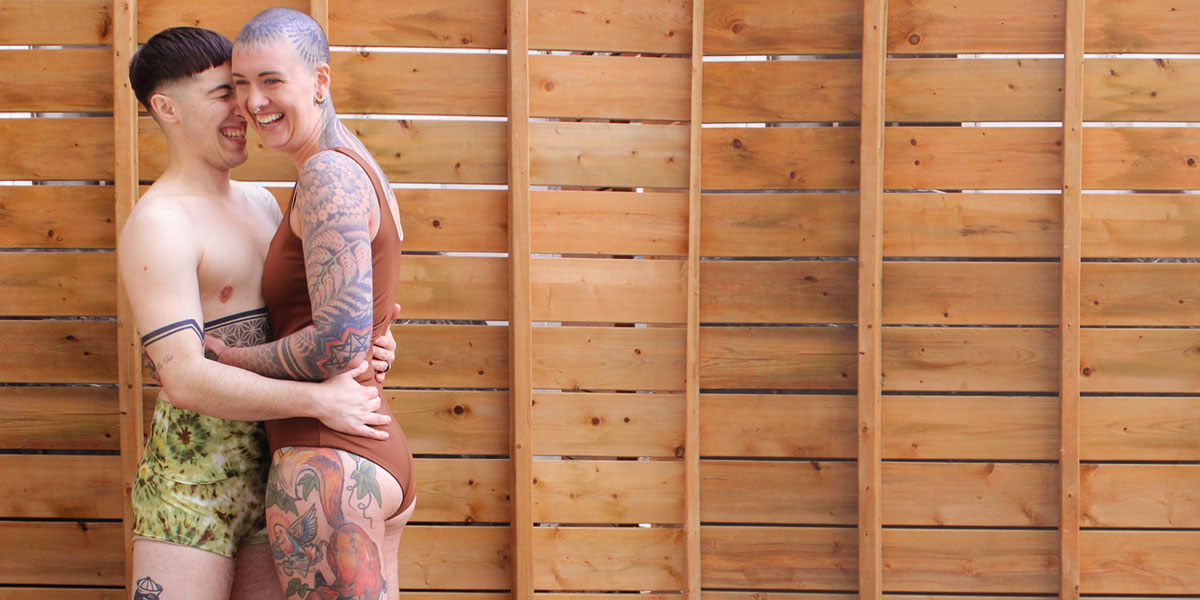
‘I don’t think we should take the gender out of fashion’, says Rae Hill, designer at Origami Customs. ‘Instead of “genderless”, there needs to be more of a fluidity of gender. The gender of a piece of clothing is whatever gender you feel when you wear it, and not that you have to fit into the gender of that piece.’


 Jinghua Qian