For the Guardian, I wrote about rice porridge in all its incarnations (kanji, congee, por-veh etc). Big thanks to editor Yvonne Lam for her attentiveness on this one. Enjoy!
writer & thinker
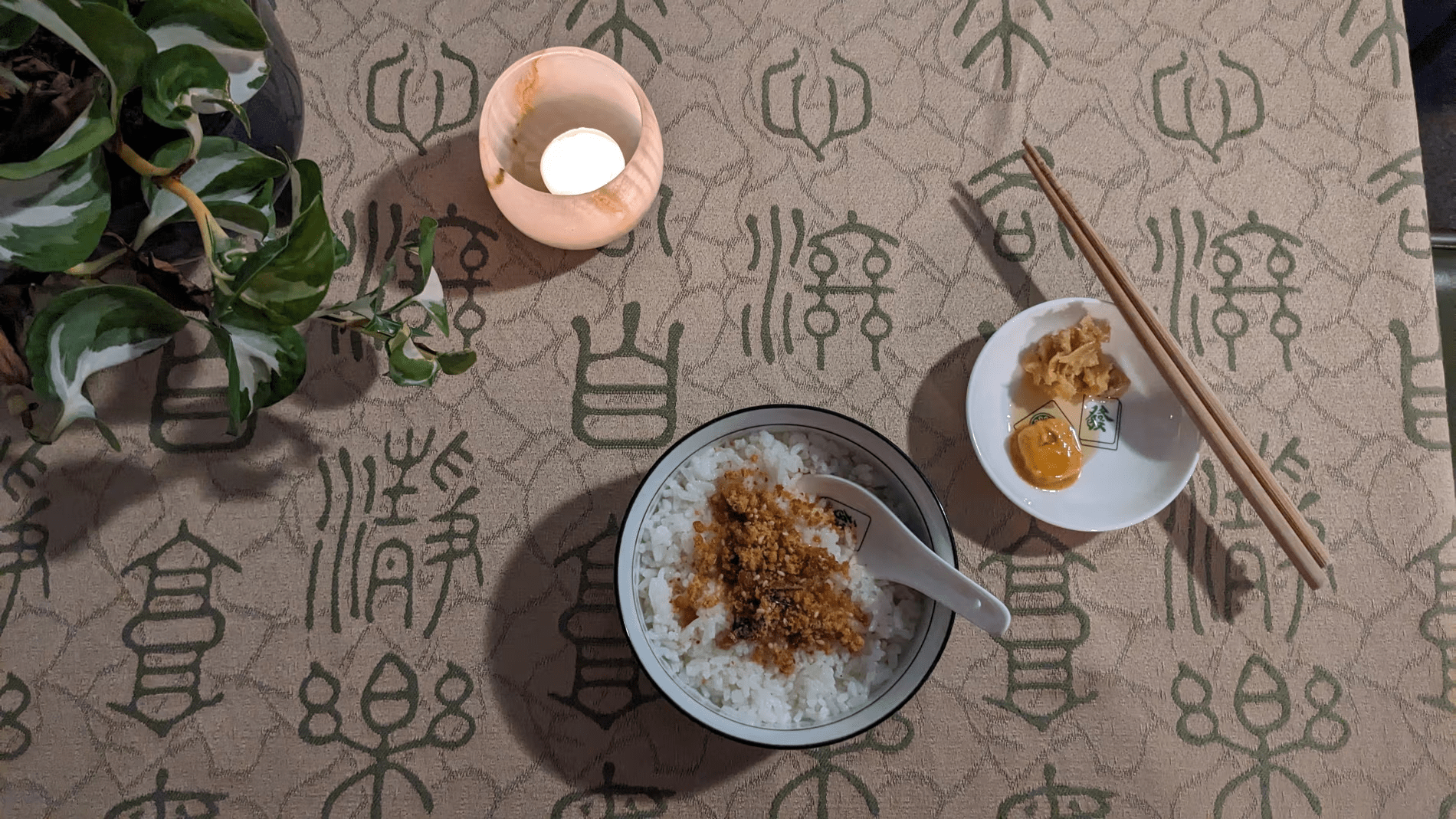
For the Guardian, I wrote about rice porridge in all its incarnations (kanji, congee, por-veh etc). Big thanks to editor Yvonne Lam for her attentiveness on this one. Enjoy!
As a public service, I gobbled up more than 3 kilograms of lasagne from Coles, Woolies* and Aldi, to review it for you, dear reader. Cheers to the Guardian for indulging my pivot from arts criticism to ready meal reviews.
There’s nothing like an oozy hunk of meat, cheese and carbs to make you feel as if you’ve just tucked yourself into a pasta doona. Eating lasagne under a blanket manifests a beautiful sense of symmetry: I’m at one with the universe in all its multi-layered glory.
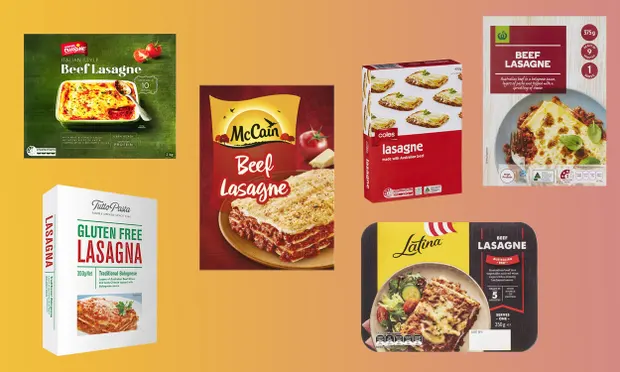
FYI, I learned in the process of researching this story that lasagne is the plural, which is typically what’s used for pasta dishes (spaghetti, penne are also plural, and of course noodles), while lasagna is singular. Australian and UK English favours lasagne, US lasagna.
* It’s forever Safeway to me.
“I like cooking, but mainly because I like eating…”
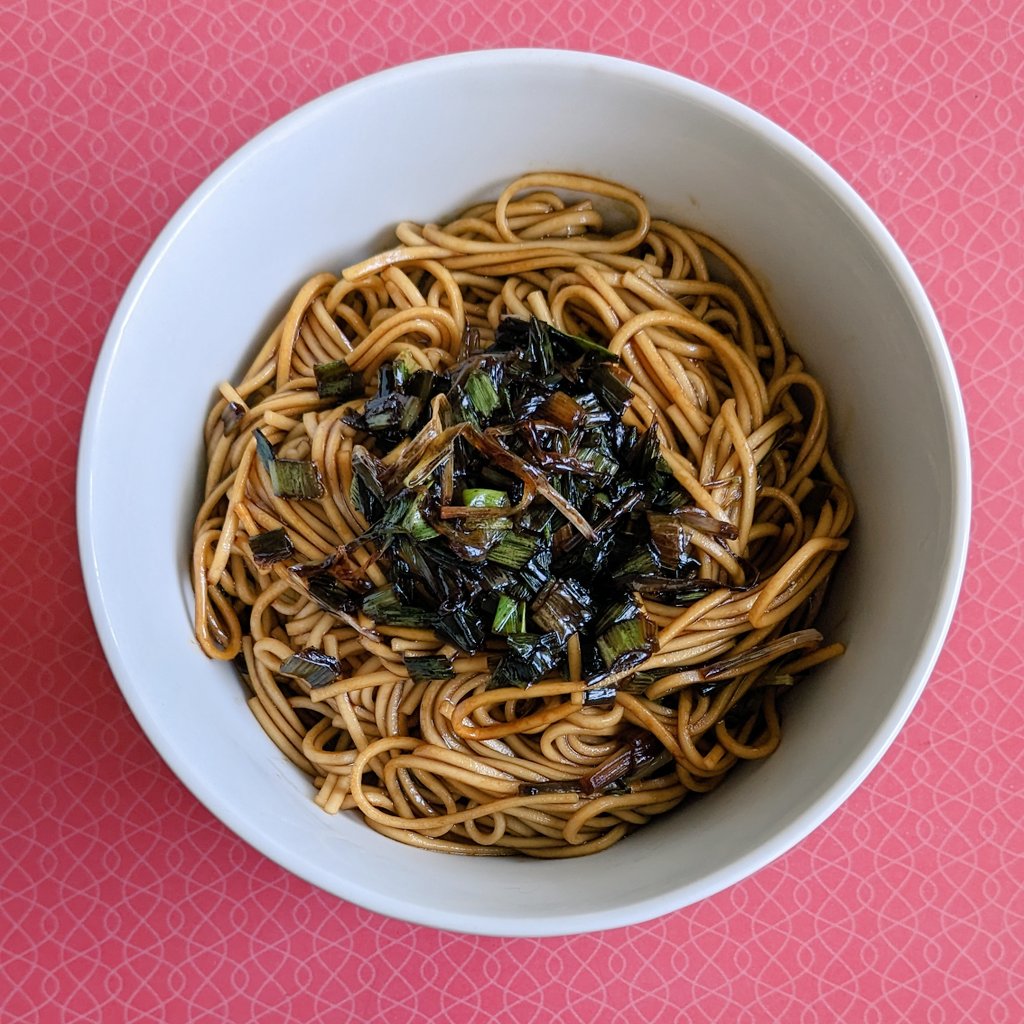
Another one for The Guardian, this time on food: some practical tips on how to feed yourself during a cost-of-living crisis, from someone who relies heavily on carbs, condiments and solidarity.
‘There’s something special about how queer culture understands exes. Maybe it’s because we know we can’t afford to lose anyone.’
For The Guardian, I wrote in favour of talking about exes on a first date – and how hetero etiquette isn’t good enough for queers (and honestly, isn’t good enough for anyone).
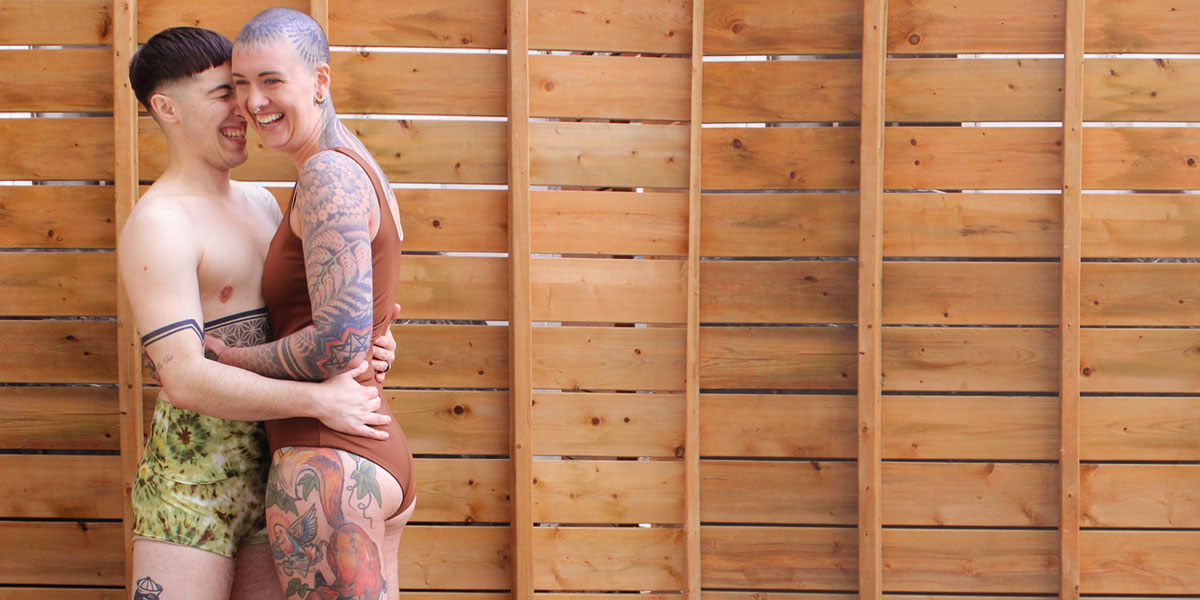
‘Genderless’ has become a buzzword in fashion, but what does it actually mean, besides brands being able to double their market for every item?
For The Guardian, I talked to trans and nonbinary designers and retailers about genderless branding, pinkwashing and what labels could do instead of whacking a rainbow on it.
‘I don’t think we should take the gender out of fashion’, says Rae Hill, designer at Origami Customs. ‘Instead of “genderless”, there needs to be more of a fluidity of gender. The gender of a piece of clothing is whatever gender you feel when you wear it, and not that you have to fit into the gender of that piece.’
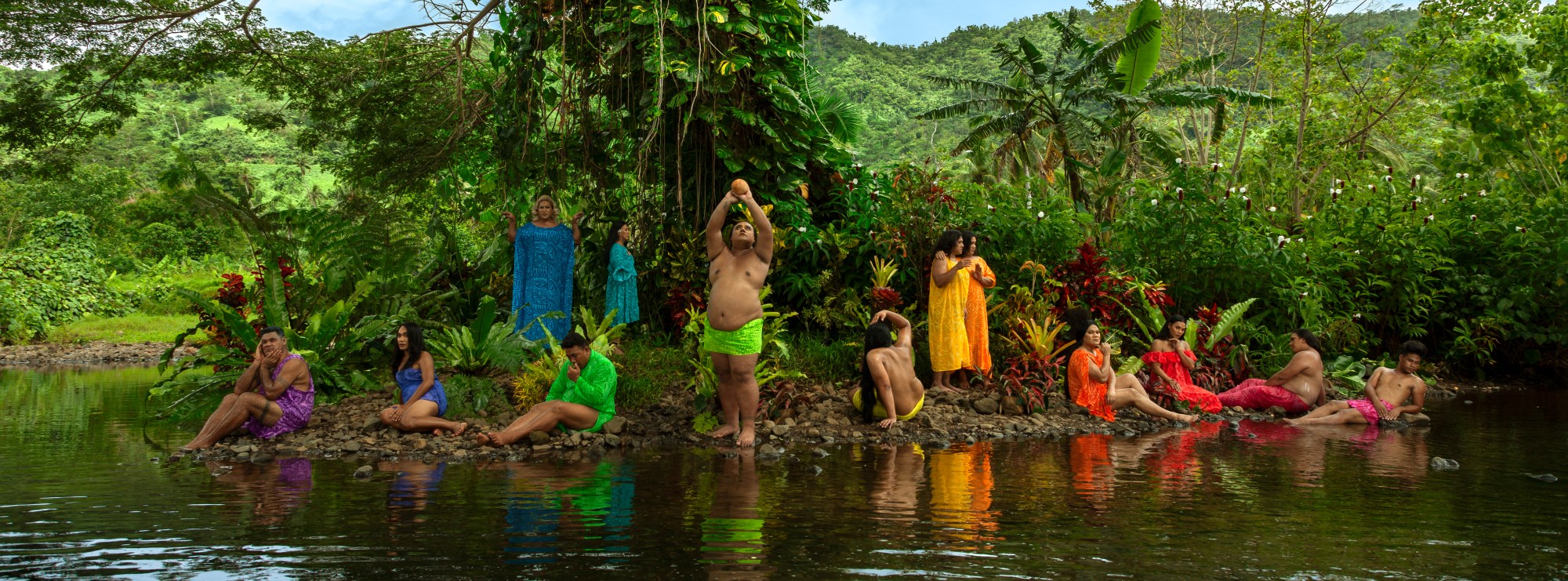
For The Guardian, I spoke to Venice Biennale artist Yuki Kihara about fa’afafine community, climate change, and resisting the image of the lone genius in her show Paradise Camp.
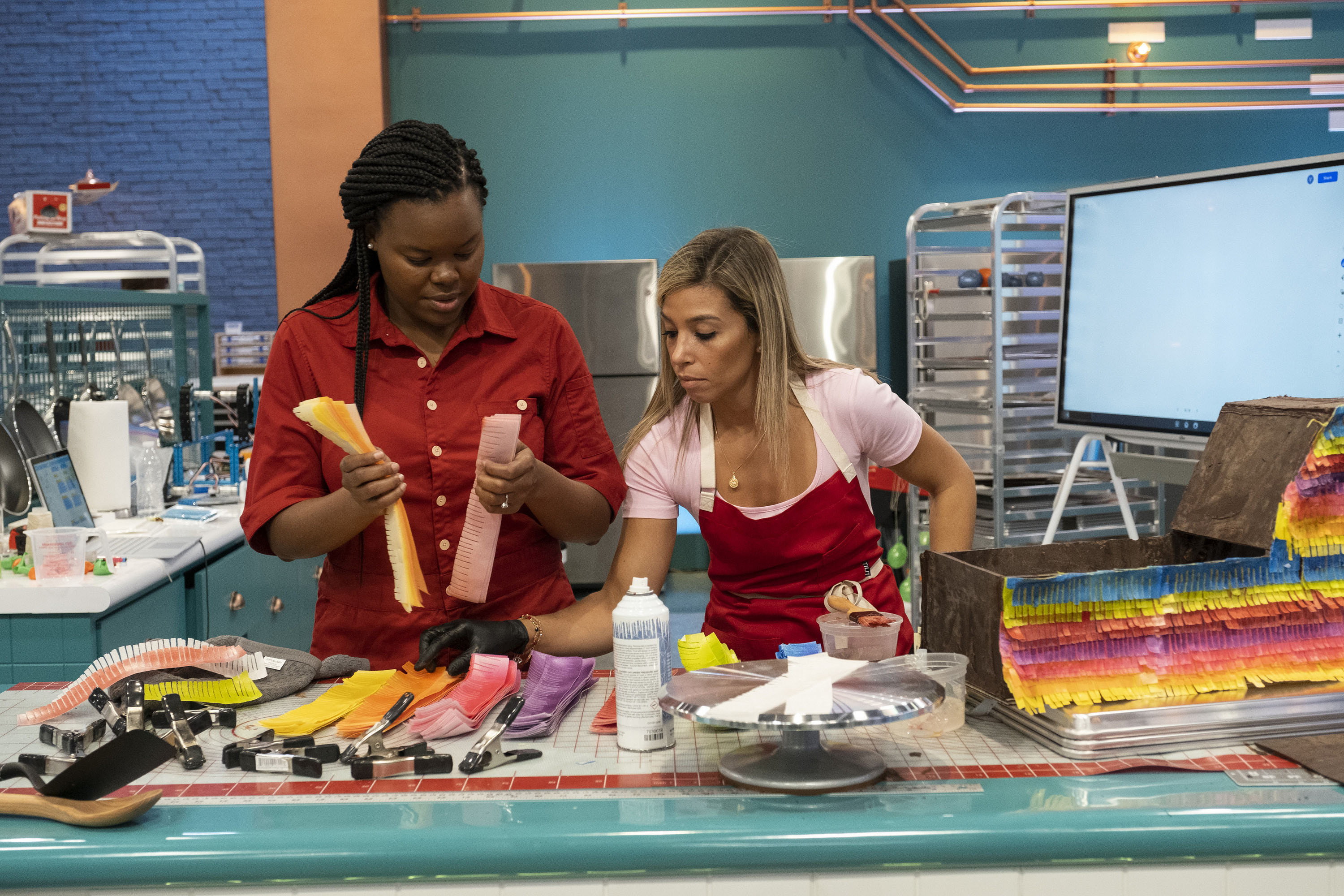
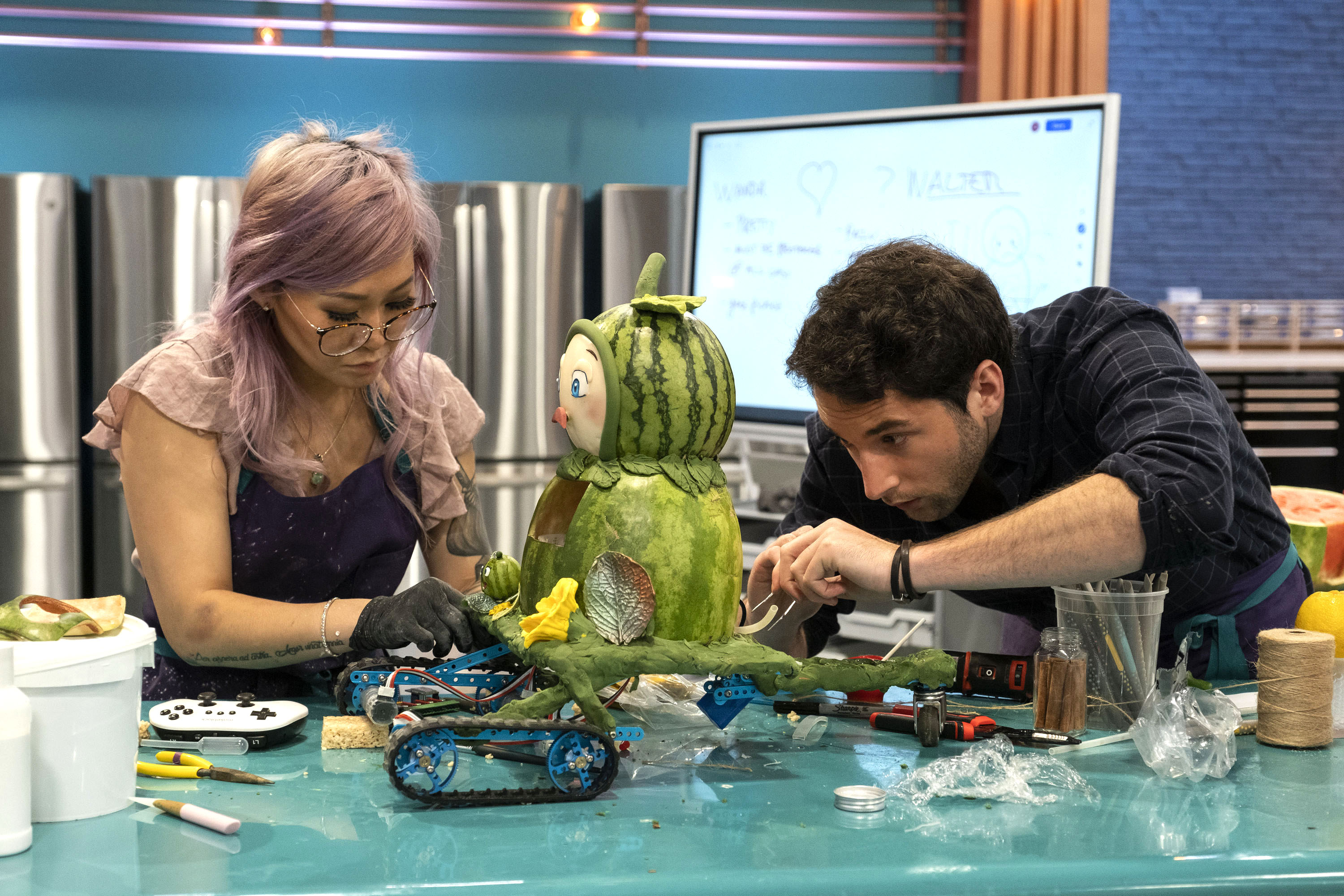
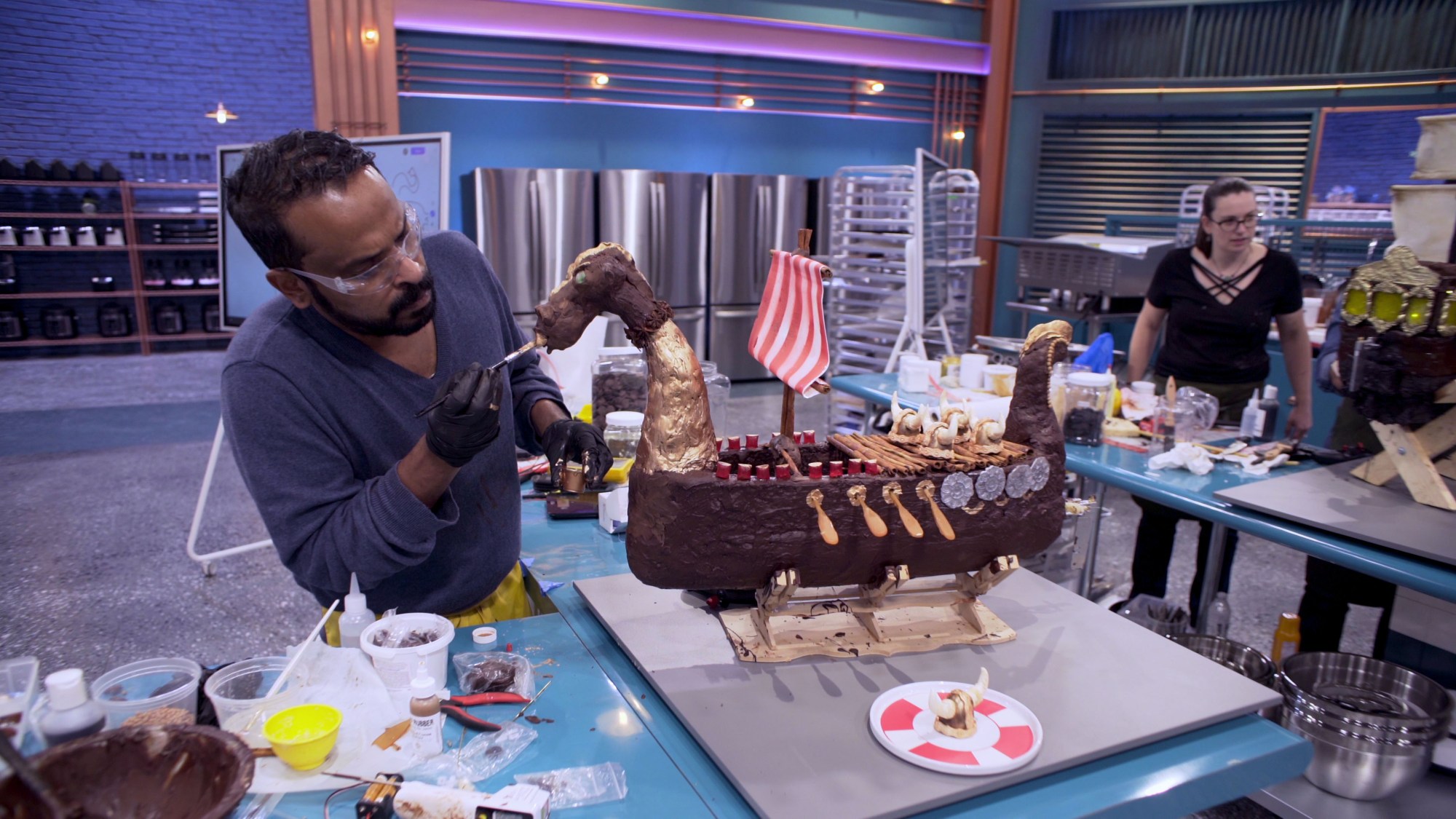
A fun review from me in The Guardian today about Baking Impossible, a delightful Netflix series that shows you can have your cake and drive it through an obstacle course too. It’s also a sweet celebration of diverse talent in STEM and the culinary arts.
For The Guardian, I wrote about the migrant workers behind the ‘made in Australia’ label and how their winning campaign for equal rights might be instructive for other gig economy workers today.
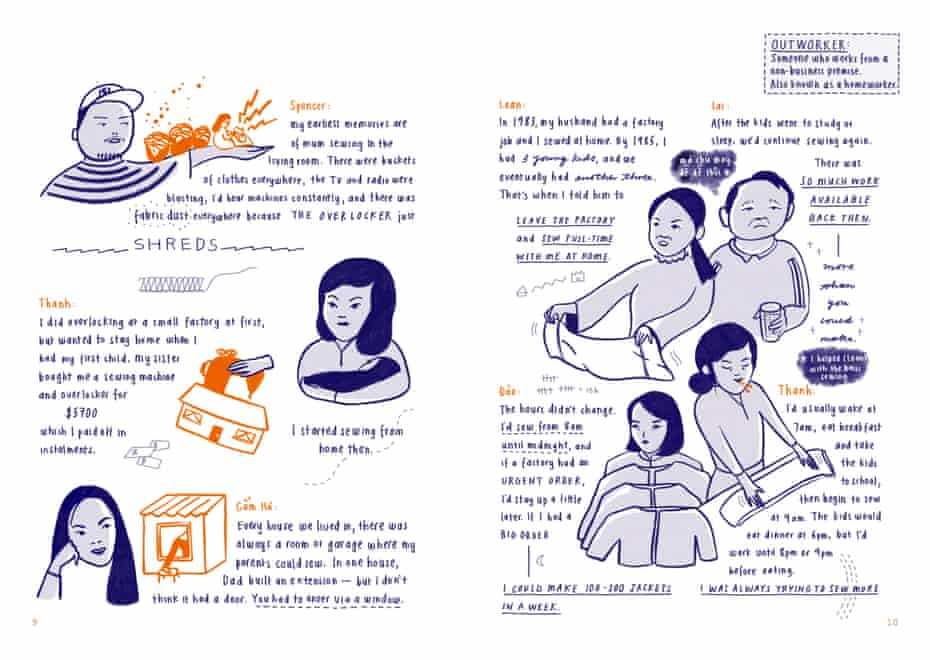
I talked to Emma Do and Kim Lam, the writer and illustrator of Working From Home, a graphic narrative about Vietnamese outworkers in the garment industry, and Nguyet Nguyen and Beth McPherson, veteran manufacturing workers and organisers in the textile, clothing and footwear union.
For The Guardian, I reviewed Monica Zanetti’s teen romcom, Ellie & Abbie (& Ellie’s Dead Aunt), a pretty charming story of queer love – romantic, familial, and intergenerational.
‘Zanetti cleverly plays with the idea that our queer predecessors paved the way for how we live now, but as individuals can be just as bumbling and out of touch as anyone else when it comes to dealing with teenagers. We might idolise OWLs (“older wiser lesbians”) but they’re only flightless, bug-eyed humans after all.’

I wrote a quick opinion piece for The Guardian about going on the dole and navigating the confusing, punitive mutual obligations system. Shout out to the Australian Unemployed Workers Union, who have been a huge support in this time and one of few groups consistently advocating to raise the rate and suspend mutual obligations.
 Jinghua Qian